
Equity, Diversity, and Inclusion Blog

How do we keep EDI work going when everything feels stretched?
Many organisations remain committed to EDI, but the practical reality of keeping the work moving has become harder. This blog explores how sustainable inclusion work can be built through rhythm, realistic support, shared learning and structures that help organisations make progress over time.

Why a Bespoke Approach to EDI Support Is Not Just Better - It’s Essential
Discover why a bespoke approach to EDI is not just beneficial but essential. This article explores how tailored, human‑centred equity, diversity and inclusion support leads to meaningful cultural change, deeper collaboration and resilient strategies that adapt to shifting social and organisational landscapes.

EDI in the Arts: Responding to Systemic Challenges with Practical Solutions
Discover how Spotlight Inclusion’s EDI in the Arts programme empowers arts organisations to embed equity, diversity, and inclusion into their culture and practice. This blog explores systemic challenges in the arts—such as elitism, underfunding, and power imbalances—and offers practical, low-cost solutions rooted in lived experience, psychological safety, and inclusive strategy. Learn how the programme supports leadership, fosters cross-sector collaboration, and drives sustainable change. Ideal for theatres, galleries, and creative organisations seeking meaningful EDI transformation.

Why self-reflection is an important part of equity, diversity and inclusion work
Equity, Diversity and Inclusion work is often framed as something we do “out there”, in organisations, in systems, in communities. But the truth is that it starts much closer to home. Self‑reflection invites us to slow down, notice our patterns, and understand how our stories shape the way we lead, collaborate and make decisions. It’s a practice of honesty, humility and care. And without it, EDI work becomes performative rather than transformative. In this piece, I share why self‑reflection is essential, and what it makes possible.
The impact of assumptions on safe creative spaces
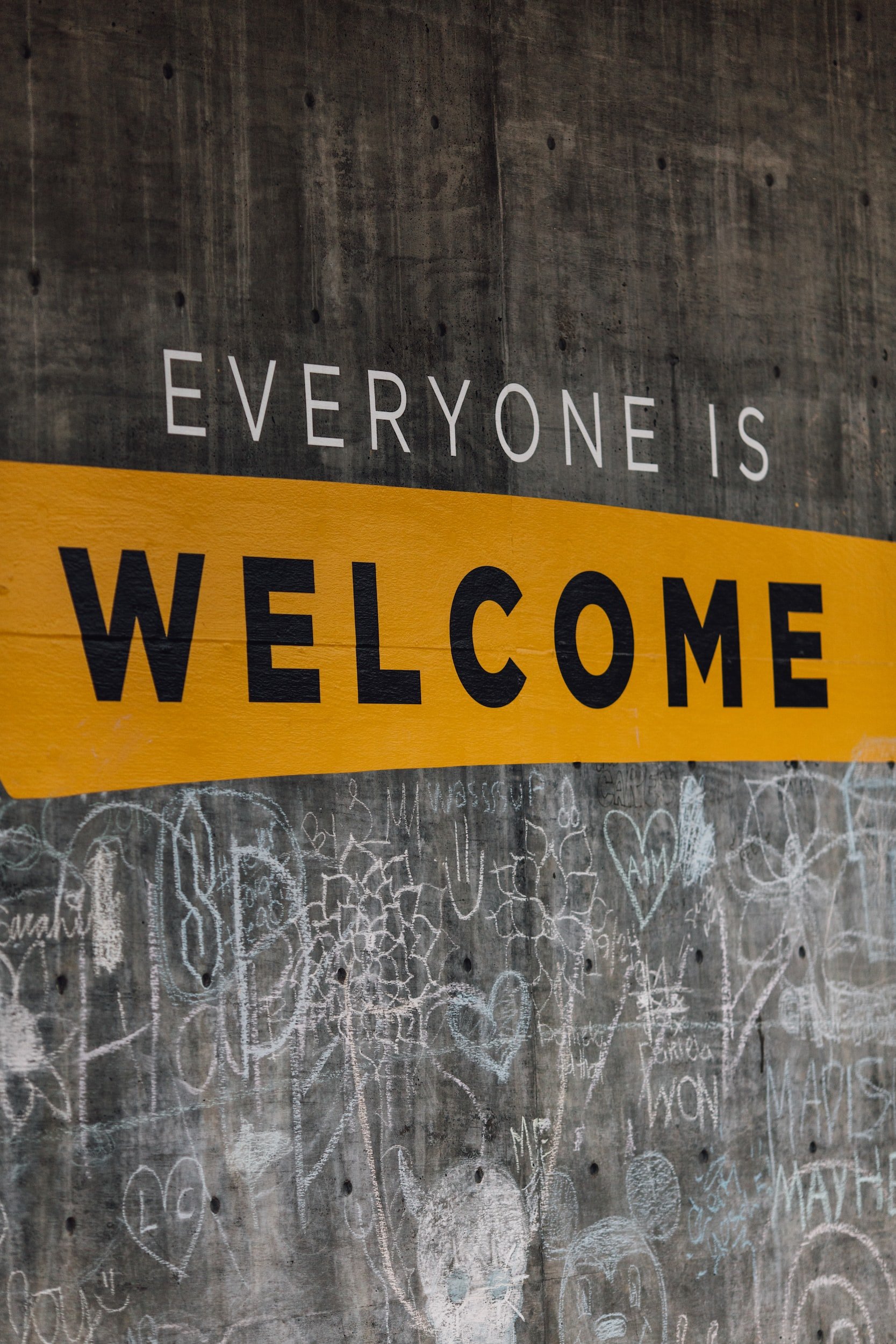
Assumptions can have a huge impact on how safe we feel in a space or group of people. In this blog, Kate Lawrence-Lunniss explains how a recent experience led them to interrogate assumptions in a range of spaces and how safe spaces can be created for all.

3 Listening Activities to Drive Your DEI Progress.
Whenever I start to work with an organisation, the first question I ask is, ‘So, how do you think you are doing?

How to deal with resistance in DEI work
Imagine the scene: you are talking to the people you work with about diversity, equity and inclusion. You tell them that you want to make sure the organisation better reflects the society we live in.

Nurturing Diversity, Equity and Inclusion Leaders
It is really pleasing to see a large number of organisations bringing diversity, equity and inclusion to the fore. Those of us who already work in this area know how important it is for individuals, groups of people and organisations. I support a number of DEI Leaders through coaching, bespoke packages and networks, and there are several themes and experiences that we share.

5 Ways To Use Awareness Calendars
When I work with organisations on exploring their current position with regard to Diversity, Equity, and Inclusion, or if I am creating a strategic plan for them, leaders are keen to take action NOW. They often know there needs to be change and either want to make that change quickly, or want to be seen to be making change quickly.

Why I’m Using the Word, ‘Expected’, From Now On.
In my Diversity, Equity, and Inclusion consultancy, the idea of language comes up regularly. It might be people telling me they don’t know what to say- what words to use to describe people without causing offense. It might be teams of people discussing what words to use to accurately convey their thoughts and values regarding DEI issues.

5 Things to Consider when starting an ED&I strategy
Equity, diversity and inclusion (ED&I) work is popular at the moment. Lots of organisations and leaders recognise that something needs to be done about the lack of diversity and representation in their organisations.

ED&I: Facilitating Difficult Conversations
As a Diversity, Equity and Inclusion Consultant, I am often asked by organisations to help facilitate conversations with groups of people to learn more about their personal experiences. Examples of this include leading a conversation with black and global majority employees to discuss their experiences of racism within an organisation